
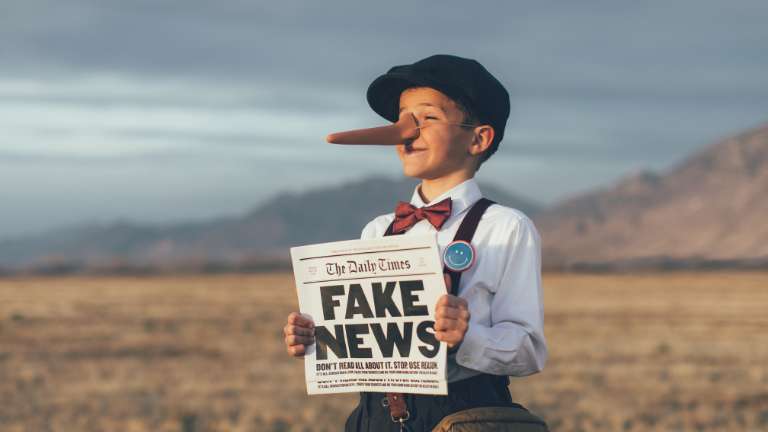
“Mom, did you know drinking cola can cure a cold?”
That’s what my daughter told me one afternoon while scrolling on my phone. At first, I laughed. Then it hit me—she believed it.
That moment made me realize something: this is the world our kids are growing up in. A world where information—both true and false—spreads faster than we can fact-check. And as parents, we’re right in the middle of it.
Did you know that 67% of Filipinos believe disinformation is a serious problem? It’s not just about politics anymore. It’s about health, education, self-esteem—everything that shapes how our kids see the world.
So how do we guide them without controlling everything they do online? How do we raise critical thinkers when fake news is just one scroll away?
Here’s what I’ve learned (and what I’m still learning) about parenting amid fake news.
Why Fake News Hit Me as a Parent
My daughter is only six, but she already knows how to search YouTube and read simple captions. Kids are online earlier than we think—and that means they’re exposed to everything, good and bad.
The tricky part? Kids often believe what they see online, especially if it looks fun or comes from someone they like. That’s why fake news is not just a media issue—it’s a parenting challenge.
And honestly, I can’t just take away the phone. The internet isn’t going anywhere. What I can do is teach her how to be smart about it.
Start with Conversations (Even Small Ones)
I used to think media literacy was something schools should handle. But I realized it starts at home—through everyday conversations.
When my daughter told me about the cola “cure,” I didn’t say, “That’s wrong.” Instead, I asked, “Hmm, do you think that’s true? Why would someone post that?”
She paused. She thought about it. That was the goal.
Here’s what helps me:
Keep it simple: I tell her, “Not everything online is true. Some people post just to get attention.”
Ask questions instead of giving lectures: “Who do you think wrote this? Why do you think they posted it?”
Make it relatable: If she believes something silly, I connect it to a story she knows: “If someone said Elsa is real, would that be true?”
Our Little Family Game: Spot the Fake!
Kids love games, so I turned fact-checking into a challenge. Whenever she finds something online, we play “Truth or Trick.”
Here’s what we do:
✅ Check the Source: Is it from a real news site?
✅ Look Beyond the Headline: Does the article match the title?
✅ Cross-Check: Are other sites saying the same thing?
✅ Watch for Emotional Hooks: If it feels too shocking or too exciting, we pause before believing it.
If she guesses right, she gets a point. It makes learning fun instead of scary.
Teaching Critical Thinking (Even to Little Kids)
I remind myself that my job isn’t to make her suspicious of everything—it’s to help her ask the right questions.
So I encourage:
Curiosity over judgment: If she’s unsure, we research together.
Simple thinking habits: “Who wrote this? Why would they post it?”
Talking about viral trends: Like when she saw a weird challenge on TikTok—we used it as a chance to talk about why people do things for likes.
What I’ve Learned
Parenting amid fake news isn’t about banning gadgets or sheltering kids. It’s about guiding them through the noise.
That moment when my daughter believed cola could cure a cold? It was a wake-up call for me. I realized that protecting her doesn’t mean blocking everything. It means teaching her to pause, think, and choose wisely.
And honestly, I’m still figuring it out. But one thing I know: every small conversation counts.
What about you—has your child ever believed something online that made you laugh (or worry)? Share your story in the comments. Let’s help each other raise a generation that thinks before they click.
Want more tips on digital parenting? Check out our related post:
➡ Screen Time Balance for Kids
