
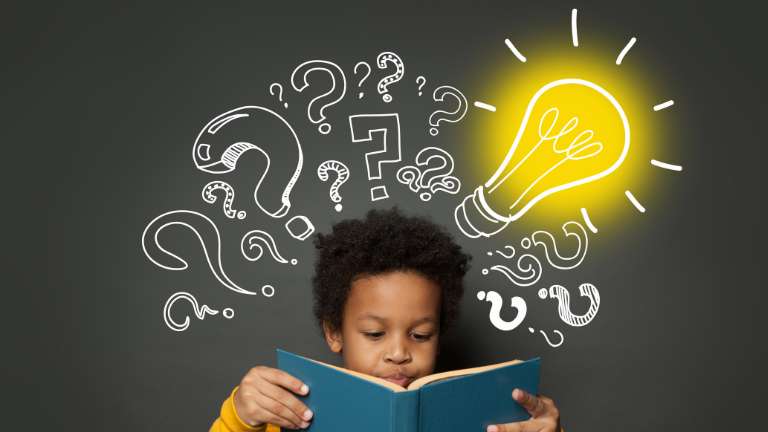
I remember one evening, my daughter proudly read an entire page from her storybook without a single mistake. I clapped and cheered like she had just won a gold medal. But when I asked, “So, what happened to the little bunny in the story?” she looked at me with blank eyes and said, “I don’t know.”
That moment made me realize something important: reading comprehension for kids isn’t just about saying words correctly—it’s about understanding them. When children truly grasp what they read, they don’t just learn stories—they learn how to think, imagine, and connect ideas..
And guess what? This skill doesn’t just affect school grades; it shapes how kids think, connect ideas, and even communicate feelings. The good news? You don’t need a classroom to teach it. You can start right at home.
Why Reading Comprehension Matters
Reading comprehension for kids goes beyond reading words on a page. It’s about making sense of the story, drawing connections, and forming opinions. Children who understand what they read are more likely to:
Enjoy reading instead of seeing it as a chore.
Perform better academically across subjects.
Develop critical thinking skills that last a lifetime.
Think of it this way: reading words is like eating; comprehension is like digesting. Without digestion, the nutrients don’t do much good.
Signs Your Child Might Be Struggling
They can read fluently but can’t explain what the story was about.
They skip over hard words without asking for help.
They forget details right after reading.
They seem uninterested or frustrated when reading longer texts.
If these sound familiar, don’t panic. It doesn’t mean your child isn’t smart—it simply means they need a little more guidance to connect the dots.
Practical Ways to Improve Reading Comprehension at Home
1. Ask Open-Ended Questions
After reading a paragraph or a page, ask:
“Why do you think the character did that?”
“What would you do if you were in that situation?”
Questions like these make kids think beyond the words and dive into meaning.
2. Connect Stories to Real Life
If you’re reading about animals, talk about your last zoo trip. If the story is about friendship, share a moment when kindness made a difference. These connections help kids remember and understand better.
3. Break Down Big Words Naturally
Instead of giving long definitions, try this:
“Hmm, ‘enormous’ means really, really big—like that giant teddy bear at the mall.”
Keep it conversational. The goal is understanding, not memorization.
4. Encourage Predictions
Before turning the page, ask:
“What do you think will happen next?”
Predicting keeps kids engaged and thinking ahead—key skills for comprehension.
5. Make Reading Fun
Try simple games like:
Who Said It? Pick a line and let your child guess which character said it.
Find the Clue: Hide a small object in the room that relates to the story and ask them to find it after reading.
When reading feels like play, kids learn without feeling pressured.
Everyday Habits That Make a Difference
Read Together Daily: Even 10 minutes counts.
Talk About TV Shows Like Books: “Why do you think that character was upset?”
Model Reading: Let them see you read—even if it’s just a magazine or an article.
Remember: kids imitate what they see. If they see you enjoy reading, they’re more likely to follow.
The Heart of It All
Helping your child with reading comprehension isn’t about perfection. It’s about creating moments of curiosity and connection. It’s in those little conversations where learning truly happens.
So next time you read together, don’t just celebrate the words they pronounce—celebrate the ideas they understand. That’s where the real magic of reading begins.
What’s your favorite way to make reading fun at home? Share your tips in the comments—we’d love to hear from you!

I used to lose myself in books and let my imagination soar. Each page was a portal to another world—one moment I was sailing across stormy seas with pirates, the next I was solving mysteries in ancient castles. Reading wasn’t just a pastime; it was a way to escape, to dream, and to explore places I’d never seen. The characters became my companions, their stories intertwined with my own daydreams. In those quiet moments, curled up with a good book, my mind was free to wander far beyond the walls of my room.
This is so beautifully said, KL! Books really do have a way of becoming childhood companions, don’t they? I love how you described each page as a portal—it’s exactly how many of us first learned to dream and imagine beyond our own little world. Thank you for sharing this memory, it reminds us why it’s so important to nurture imagination and creativity in our kids too. 💕