
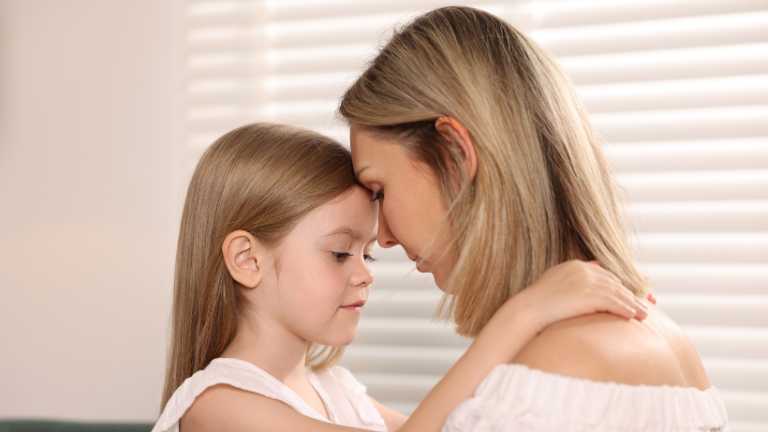
Sometimes, after a long day, we say words we don’t mean or react more harshly than we should. I’ve had those moments too — when my daughter looks at me with teary eyes, and I realize my tone was too sharp or my patience ran short.
That’s when I remind myself of something powerful: I can still say sorry.
As parents, we often feel like we must be right all the time. We guide, correct, and lead — but we forget that we’re human, too. Apologizing to our kids doesn’t make us weak; it shows them what real strength looks like. It teaches them that even grown-ups make mistakes and take responsibility for them.
When I started apologizing to my daughter, I saw a big change. Our conversations grew softer and more open. She began to mirror that same behavior — saying “I’m sorry” when she made mistakes, without fear or shame. That’s when I realized that apologizing to our kids not only heals the moment but also shapes their character.
Saying “I’m sorry I raised my voice. I was tired, but that’s not your fault.” shows a child that emotions can be handled with kindness. It builds trust and creates emotional safety. It reminds them that even adults are still learning — and that’s okay.
We often think apologies are for big mistakes, but even small ones matter. When we forget a promise, fail to listen, or dismiss their feelings, a simple “I’m sorry, I should’ve paid more attention” goes a long way. It reassures our children that their feelings are valid and that we value them more than our pride.
Maybe that’s what parenting really means — growing together, one apology, one hug, one honest conversation at a time.
So the next time guilt tugs at your heart after a tough moment, pause and breathe. Apologizing to our kids doesn’t take away authority; it deepens connection. It teaches them that love means showing up, owning our actions, and choosing to make things right.
In the end, saying sorry isn’t about perfection — it’s about connection. And that connection is the most powerful gift we can ever give our children.
