
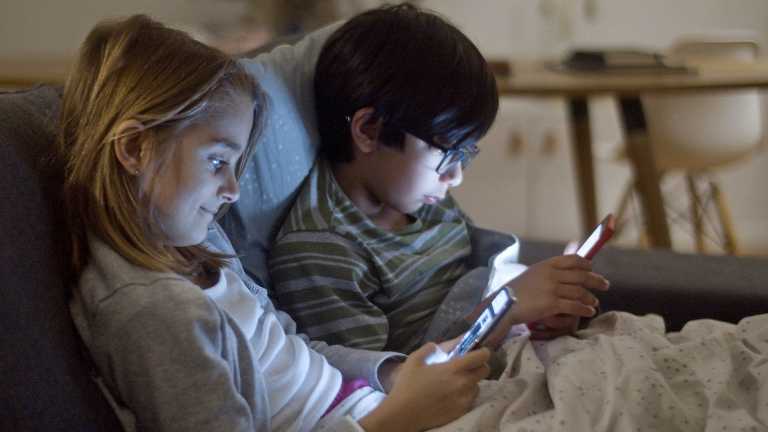
It’s almost impossible to picture a day without screens. From online classes to YouTube, Roblox, and TikTok — our children are growing up in a world where gadgets are both learning tools and comfort zones. But lately, many parents (myself included) have started asking the hard question: When does screen time turn into gadget addiction in children?
I’ve seen it with my own daughter — that sudden mood change when I say, “Time’s up.” The pouting, the frustration, the “just one more” pleas. It’s easy to dismiss it as normal, but sometimes, those little moments whisper something deeper.
1. When gadgets become their “only happy place”
Children should find joy in simple things — drawing, running, or building forts. But one red flag of gadget addiction in children is when they seem uninterested in anything that doesn’t involve a screen.
If they lose excitement for playtime, socializing, or family moments because they’re thinking about their next game or video, it’s time to take a step back.
Ask yourself: When was the last time my child laughed without a gadget nearby?
2. Mood swings when gadgets are taken away
Does your child get unusually irritable, angry, or even anxious when you say it’s time to turn off the tablet or phone? That’s another warning sign.
Studies in the Philippines show that about 6 out of 10 students already display signs of smartphone dependence. It’s not just habit — it’s emotional attachment.
When screens control their mood, gadget addiction in children starts to quietly grow.
3. Sleep problems and constant tiredness
Blue light from screens disrupts sleep hormones, especially when kids use gadgets before bedtime. If your child stays up scrolling or gaming, then struggles to wake up the next day, this could be a sign of overuse.
It’s heartbreaking to see them exhausted — eyes droopy, mind foggy — just because their little bodies didn’t get the rest they deserve.
Try setting a “no screens an hour before sleep” rule. You’ll notice how calmer bedtime can become.
4. Hiding gadgets or lying about screen time
When children start sneaking their devices under the blanket or lying about “just checking homework,” it’s not just disobedience — it’s dependence.
Hiding usage shows they feel guilty or scared of losing access. This secretive behavior often means gadget addiction in children has already crossed the line.
Remember: it’s not about punishing, but understanding. Instead of saying “I told you not to use that!”, try “I know it’s hard to stop, let’s do it together.”
5. Losing interest in real-world connections
One of the saddest signs of gadget addiction in children is when they begin to disconnect from people — even those they love.
If your child prefers chatting with strangers online rather than playing with friends or talking to family, that’s a quiet cry for help.
In a 2023 local study, Filipino teens who spent more than 6 hours online daily were more likely to report loneliness and anxiety. It’s a reminder that behind those glowing screens, our kids might be craving connection.
So, what can parents do?
Model balance. Kids learn more by watching us than listening to us. If we scroll less, they will too.
Schedule “unplugged” time. Dinner, family nights, or Sunday mornings — make them gadget-free and sacred.
Replace, don’t remove. Instead of just saying no, offer alternatives — painting, baking, board games, or outdoor walks.
Talk, not threaten. Make them part of the conversation about healthy gadget habits. Ask how they feel, and listen.
Breaking gadget addiction in children isn’t about control. It’s about helping them rediscover what real life feels like — laughter, boredom, hugs, and all.
Final Thoughts
Technology isn’t the enemy — disconnection is.
Our kids don’t need perfect parents who ban gadgets completely. They need present parents who see the signs early and walk with them through the balance.
Because one day, they’ll thank us — not for the screens we took away, but for the moments we gave back.
