
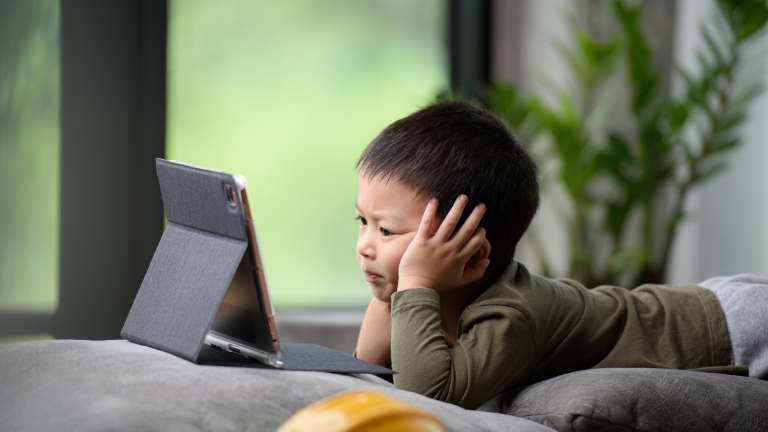
Screens are everywhere — in school, at home, during meals, and even in the car. And while technology can certainly be helpful and entertaining, too much screen time often affects a child’s mood and behavior far more than many parents realize.
You’ve likely seen it yourself: after using a tablet or phone, your child suddenly becomes cranky, hyper, emotional, or distant. Instead of defiance or “attitude,” these reactions usually signal overstimulation, something young children simply can’t regulate yet.
When parents understand how too much screen time influences the nervous system, they can create more balance, connection, and calm at home.
📱 Why Too Much Screen Time Impacts Kids So Deeply
Screens flood the brain with fast movement, bright colors, and nonstop dopamine hits. Because children’s nervous systems are still developing, they cannot easily process such intense stimulation. As a result, too much screen time can affect:
Calming ability: The brain shifts into “high alert” mode, making it difficult to settle.
Frustration tolerance: Kids become more sensitive to even minor challenges.
Emotional regulation: Their capacity to manage feelings decreases.
Transitions: Moving away from screens becomes noticeably harder.
Sleep: Blue light and fast-paced content disrupt natural sleep cycles.
Social skills: Kids get less practice reading cues and communicating in real time.
Even educational videos or learning apps can overwhelm children when used excessively.
😔 Emotional Signs of Too Much Screen Time
Parents often notice emotional changes that appear suddenly. For example, you may observe:
More tantrums or emotional outbursts
Unexpected mood swings
Irritability after turning off the device
Difficulty focusing on simple tasks
Anxiety, fidgeting, or restlessness
A “checked out” or distant demeanor
Tears over small frustrations
These reactions aren’t signs of “bad behavior.” Instead, they indicate that too much screen time has overloaded the child’s nervous system.
🧠 Behavioral Red Flags That Screen Time Is Becoming Too Much
When too much screen time affects behavior, children may:
Struggle to listen or follow directions
Have trouble playing independently
Become unusually clingy
Show increased hyperactivity
Lose patience quickly
Resist routines such as meals, homework, or bedtime
Act impulsively or argue more often
Furthermore, many kids push back when asked to stop using a device. This isn’t entitlement—it’s the brain craving the dopamine rush screens provide.
🌙 How Too Much Screen Time Disrupts Sleep and Mental Health
Sleep is especially vulnerable to digital overstimulation. Because blue light interferes with melatonin production and fast content keeps the brain activated, children may experience:
Trouble falling asleep
Frequent night waking
Tired, foggy mornings
Heightened irritability the next day
Over time, poor sleep increases stress and weakens emotional resilience, showing how too much screen time affects children on a deeper level.
💛 How Parents Can Gently Create Healthier Screen Balance
Fortunately, small adjustments can make a big difference. By shifting routines and offering more connection, parents can help children regulate more effectively.
1. Introduce screen-free transition times
Before school, after school, during meals, and throughout the bedtime routine.
2. Replace screen time with connection time
Even 10 minutes of one-on-one play can significantly reduce meltdowns.
3. Offer calming alternatives
Activities such as drawing, Legos, outdoor play, puzzles, or storytelling help the nervous system slow down.
4. Model balanced screen habits
Children learn more from what you do than from what you say.
5. Create a “Screen Slowdown Ritual”
Use a countdown timer, provide a gentle reminder, and offer a calm activity afterward. This structure helps the brain shift from stimulation to regulation.
6. Protect sleep
Whenever possible, limit screens for 1–2 hours before bedtime.
🌱 A Calmer Child Begins With a Calmer Environment
When parents understand how too much screen time affects a child’s mood and behavior, they can stop blaming themselves—or their child. Instead, they start recognizing the nervous system behind the behavior.
With thoughtful changes—slower routines, warm connection, and healthier boundaries—children become more regulated, calmer, and emotionally grounded.
Screens aren’t the enemy.
Disconnection is.
And every time we choose presence over pressure, our children feel it.
