
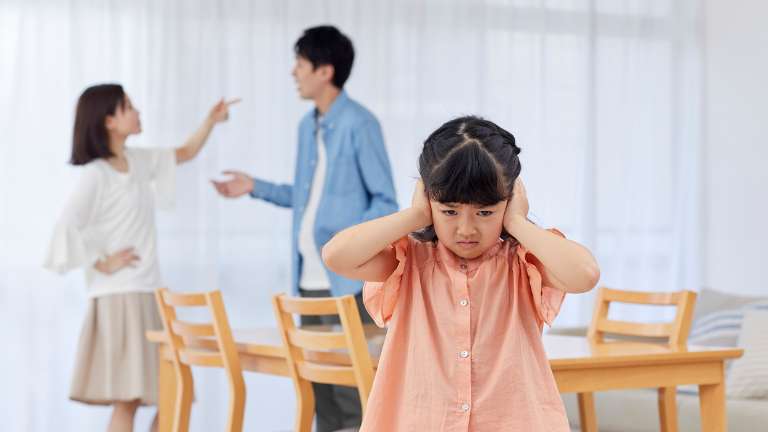
Growing up, many of us experienced parenting styles that were far from gentle — but we didn’t have the words for it. Now that we’re raising our own kids, we’re finally learning how the effects of toxic parents can quietly shape how a child sees themselves, others, and the world. And honestly? It can feel heavy. But understanding it is the first step to breaking the cycle.
What Toxic Parenting Really Looks Like
Not all toxic behaviors look extreme. Sometimes they’re subtle — a sharp tone, dismissing a child’s feelings, constant criticism, or manipulation masked as “tough love.” The effects of toxic parents often begin here, in the quiet moments when a child learns that expressing themselves isn’t safe.
Kids who grow up in this environment start to believe that love must be earned, mistakes are unacceptable, and their emotions are inconvenient.
Short-Term Impact on Kids
In the early years, the effects of toxic parents can show up in ways we don’t immediately notice:
Kids become overly anxious or jumpy
They develop perfectionist tendencies
They shut down emotionally
They struggle to trust adults
They may copy the same harsh tone they constantly hear
When a child grows up always preparing for a negative reaction, their tiny nervous system stays on alert — even when life is calm.
Long-Term Effects in Adulthood
As adults, the effects of toxic parents echo through major parts of a person’s life. Many become people-pleasers, terrified of disappointing others. Some develop difficulty setting boundaries because they were never allowed to have any. Others battle low self-worth because validation was rare or conditional.
And maybe, just maybe, we see pieces of our younger selves in these patterns.
How Parents Can Break the Cycle Today
Here’s the truth: cycles can be broken — gently, slowly, intentionally. You don’t have to be a perfect parent to undo the effects of toxic parents. Small, consistent changes make a huge difference:
Apologize when you lose your temper
Name emotions for your child (“I see you’re frustrated”)
Let them express themselves without rescuing or silencing
Give more connection than correction
Treat mistakes as learning moments, not failures
Sometimes, breaking the cycle starts with healing the child inside us, so we can raise the child in front of us with more softness.
A Reminder for Parents
If you’re reading this, you’re already doing the work. Awareness is courage. Growth is love. And choosing to show up differently means you are not your past — and neither is your child.
The effects of toxic parents may last long, but so does intentional love. And today, you get to choose the kind of love your child will remember.
❤️ Want more support?
Read these related Piipple articles:
