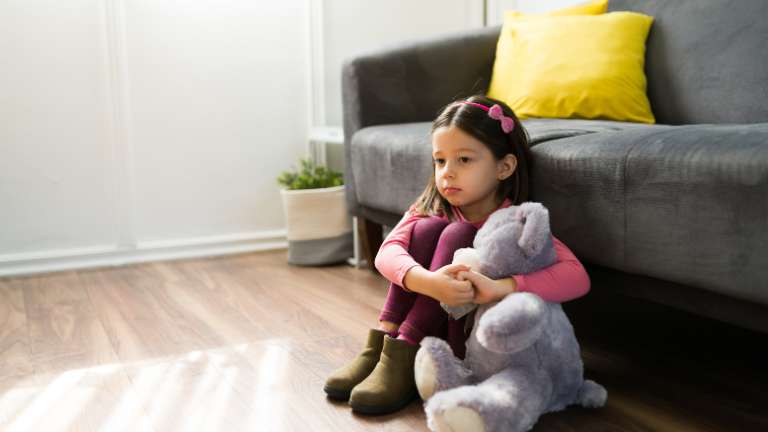
Some people still ask, “Can kids get depression?”
One of the hardest things to accept as a parent is this truth:
Yes, kids can get depressed.
We often think childhood should be all play, laughter, and sunshine — a time before the world gets heavy. But sometimes, even little hearts struggle in ways we’d never expect.
Depression in kids doesn’t always show up as sadness. Sometimes it hides in silence, irritability, or a child who suddenly seems “different.” And as parents, our awareness becomes their first layer of protection.
This isn’t about fear — it’s about understanding, so we can love better, listen deeper, and show up for our children in the moments they need us most.
🌧️ Why Kids Can Experience Depression Too
If you’ve ever wondered, “How can kids get depression when they’re so young?”
Even children face emotional storms.
Some things that may contribute include:
Major life changes (moving homes, new school, family separation)
Conflict or tension at home
Academic pressure or bullying
Loss of a loved one
Feeling unseen, misunderstood, or lonely
Health challenges or chronic stress
Overstimulation or lack of emotional support
And sometimes, there’s no clear cause — just a tender heart overwhelmed by big emotions.
It doesn’t mean we failed as parents.
It means the world is complex, and our kids need us more deeply than ever.
🧠 The subtle signs of depression in kids
Depression in kids rarely looks like it does in adults.
Watch for gentle clues like:
Sudden withdrawal or quietness
Loss of interest in play or favorite activities
Irritability or frequent emotional outbursts
Changes in sleep (too much or too little)
Appetite changes
Low energy or constant tiredness
Saying things like “I feel sad”, “Nobody likes me,” or “I don’t want to be here”
Constant worry or clinginess
Drop in school performance
These signs don’t always mean depression — but they do mean a child needs support, presence, and gentle understanding.
🤝 How to Support a Child Emotionally
The most powerful tools we have are free:
Listen without fixing immediately.
Sometimes they don’t need answers — they just need to feel heard.
Validate feelings.
Instead of “You’re fine,” try:
“I hear you. It’s okay to feel that way.”
Offer consistent comfort and routine.
Safety lives in predictability.
Create emotional check-ins.
Ask:
“How is your heart today?”
Not just:
“How was school?”
Protect their emotional space.
Reduce pressure. Increase hugs, patience, and slow moments.
🌤️ When to Seek Professional Support
If signs last more than two weeks or your instinct says something feels off, it’s okay — even courageous — to reach out to a pediatrician or child therapist.
Healing isn’t a sign of weakness.
It’s a sign that a child has someone who refuses to let them drown silently.
🌱 Hope is powerful medicine.
Children are resilient.
With love, safety, and presence, most kids recover and grow emotionally stronger.
If your child is struggling, or if you are just trying to parent with more awareness, you’re already doing something brave — breaking cycles, choosing softness, and raising a heart you want to see thrive.
Healing begins with noticing.
And today, you noticed. 💛