
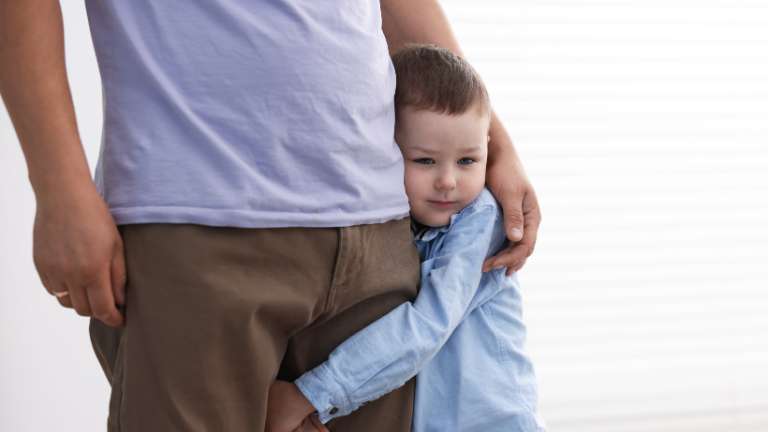
Sometimes we look at a child who seems restless, clingy, or overwhelmed and think,
“They’re too young to feel anxious.”
But the truth is — kids develop anxiety more often than most parents realize. And asking why kids develop anxiety is not about pointing fingers — it’s about understanding their emotional world so we can guide them with gentleness and support.
Childhood is supposed to feel light, playful, and safe. Yet in a world moving so fast, even little hearts can feel big worries.
And when we understand why kids develop anxiety, we become more patient, more aware, and more present for them.
🌧️ Why Kids Develop Anxiety
There isn’t a single cause — it’s a mix of emotional, environmental, and sometimes biological factors.
Some reasons why kids develop anxiety include:
Pressure to perform in school
Feeling misunderstood or unheard
Big life changes or family conflict
Bullying or friendship struggles
Overstimulation — too much noise, screens, or activities
Lack of emotional support or emotional modeling
Traumatic or stressful experiences
Parents who are stressed (kids absorb our energy, even when we don’t speak it)
And sometimes, kids develop anxiety simply because their nervous systems are still learning how to handle big emotions.
It’s not because they’re dramatic,
It’s not because we failed.
It’s because they’re human — and still learning how to feel safe.
🌿 Early Signs Kids Are Developing Anxiety
Children rarely say, “I feel anxious.” They show it through behavior and body language.
Watch for signs like:
Frequent tummy aches or headaches with no medical cause
Irritability, meltdowns, or easily overwhelmed
Difficulty sleeping or nightmares
Clinginess or fear of being alone
Avoiding school or social situations
Overthinking small situations
Sudden quietness or withdrawal
Repetitive habits (nail biting, hair twirling, skin picking)
Constant “What if?” questions
These aren’t bad behaviors — they’re nervous system signals.
When kids develop anxiety, their bodies speak for them when words can’t.
🤍 How Parents Can Help Kids With Anxiety
Here are gentle ways to support a child who may be experiencing anxiety:
1. Validate their feelings
Instead of saying “Don’t worry,” try:
“I understand why you feel scared. I’m here with you.”
Validation calms the nervous system.
2. Create emotional routines
Daily check-ins like
“How does your heart feel today?”
help build emotional language and trust.
3. Slow life down where possible
Kids need room to breathe — quiet days, safe spaces, unstructured time.
4. Offer grounding activities
Deep breathing, hugs, drawing, outdoor play, warm baths, prayer or mindfulness — these bring their body back into safety.
5. Model calm
Even when we feel overwhelmed, taking a breath before reacting teaches them emotional stability.
Not perfection — just presence.
🧑⚕️ When to Seek Extra Support
If worries are affecting daily life, lasting weeks, or escalating, it’s okay to get professional help.
Therapy or counseling doesn’t mean something is “wrong.”
It simply means a child deserves more tools and support.
And honestly — it takes a strong parent to say,
“We don’t have to do this alone.”
🌤️ Hope for Anxious Little Hearts
Understanding why kids develop anxiety helps us respond with softness instead of frustration.
Because when kids feel safe to express fears — without shame or pressure — they learn courage, resilience, and emotional strength.
And every time you sit beside them, hold their hand, breathe with them, or whisper,
“You’re not alone,”
you are shaping a childhood where anxiety doesn’t win — love does. 💛
