
🎬 Real-Life Moment
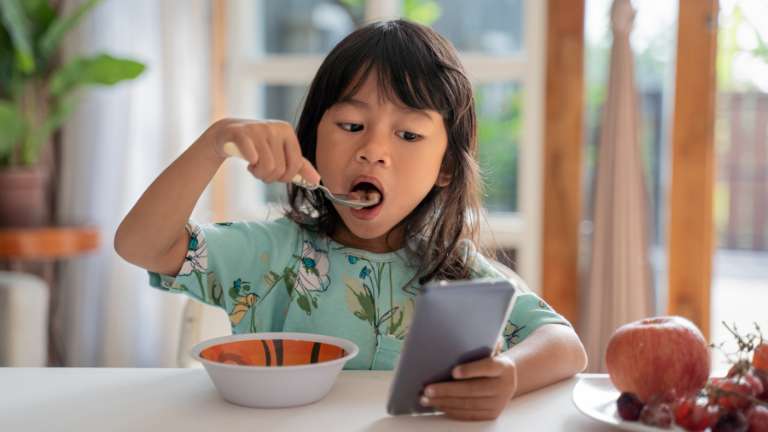
If you’ve ever tried to limit YouTube Shorts for your child, you probably know the battle well. Every night, it’s the same scene. I gently remind my 6-year-old daughter that it’s time to put the tablet away. Immediately, I’m met with resistance—a pout, a whiny “Just one more!” or worse, a full-on attitude like I’ve ruined her day.
Lately, it feels like YouTube Shorts has taken over our evenings. She’s glued to video after video, ignoring dinner, bedtime routines, and even playtime. I started wondering—is it just my kid, or is this happening everywhere?
As it turns out, I’m not alone. Many parents are searching for ways to limit YouTube Shorts and take back control.
❓ Why Shorts Are Addictive
Endless scroll: Short-form videos are engineered to keep users swiping, much like slot machines deliver dopamine hits.
Fast-paced content: Each clip delivers a quick high, which keeps kids asking for “just one more.”
Algorithm-driven: The feed adapts instantly to what kids like, making it even harder to stop.
In my daughter’s case, it’s usually slime-making videos, baby animals, or animated skits with catchy songs. They’re cute, sure—but she turns moody the moment I interrupt.
This is why it became crucial to limit YouTube Shorts in a way that works for our family.
📊 The Impact on Families
Studies show that many parents face the same struggle. A recent report revealed that four out of ten parents feel like their child’s childhood is slipping away due to screen obsession. Honestly, I felt that in my chest.
It’s not just about screen time. It’s also about how it affects their mood, attention, and even our relationship. As I explored ways to limit YouTube Shorts, I realized consistency mattered most.
🧩 Steps I Took to Manage YouTube Shorts at Home
Adjusted settings
First, I switched on break reminders, turned off autoplay, and activated Restricted Mode in her YouTube app.Created Shorts-free zones
We decided that there would be no Shorts during dinner or right before bed. We even made a sticker chart to keep it fun and rewarding.Started watching together
I began watching her favorite Shorts with her. This helped me understand what she loves and gave me an opening to talk about them.Substituted instead of banning
Instead of taking it away completely, we replaced screen time with coloring books, bedtime stories, or even filming our own mini DIY videos.Modeled good behavior
I made an effort to reduce my own phone scrolling in front of her. That small change made a big difference.
All of these helped us consistently limit YouTube Shorts while building better habits.
🧠 A Real-World Turnaround
After a couple of weeks, things got smoother. She still asks for YouTube Shorts, but now she’s used to taking breaks and knows when it’s allowed. One night, she even suggested making a dance video with me instead of watching one—definitely a win!
It’s not perfect, but it’s progress.
✅ Key Takeaway
If you’re struggling with YouTube Shorts battles, you’re not a bad parent—and your kid isn’t broken. These platforms are designed to be addictive. However, with consistent boundaries and support, we can guide our kids toward healthier screen habits. With the right approach, you really can limit YouTube Shorts without daily conflict.
