
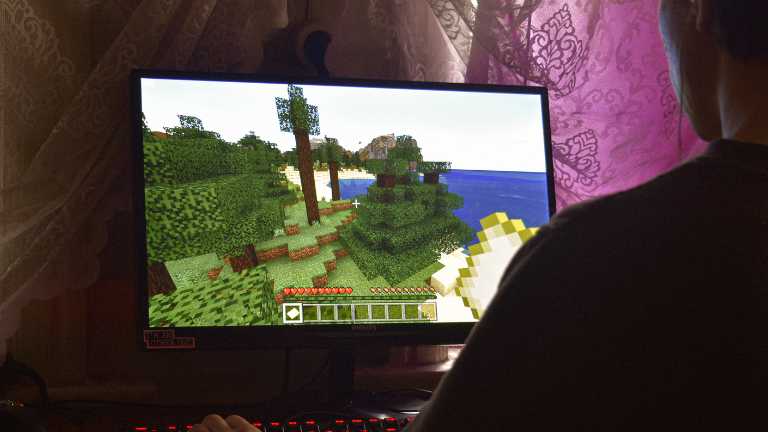
If you’ve been wondering what parents should know about Minecraft, you’re not alone.
At some point, almost every parent hears it:
“Mom/Dad, can I play Minecraft?”
And honestly, it sounds simple at first… until you realize your child can spend hours inside it building worlds, fighting monsters, mining for resources, and playing with friends online.
So the question naturally comes up again:
what parents should know about Minecraft — and should we be worried?
Let’s talk about it in a simple, real way.
What Minecraft Actually Is (In Real Life Terms)
One important part of what parents should know about Minecraft is this:
Minecraft is not just a “game.” It’s more like a digital LEGO world.
Kids can:
- build houses, castles, cities
- explore caves and oceans
- survive nights full of monsters
- play with friends online
- or just create freely with no rules
There’s no single story you must follow.
And that’s exactly why children love it so much.
Why Kids Are So Hooked on Minecraft
To understand what parents should know about Minecraft, we also need to understand what kids feel when they play it.
For them, it’s not just screen time.
It feels like:
- freedom
- creativity
- control
- imagination without limits
In real life, kids are always told what to do:
- study this
- finish that
- behave here
But in Minecraft, they finally get to decide everything.
That freedom is a big reason why kids get deeply attached to Minecraft.
⭐ Piipple Parent Rating: Minecraft
Here’s a simple breakdown to help parents see it in a clearer way:
| Category | Rating |
|---|---|
| 🎮 Fun / Engagement | ⭐⭐⭐⭐⭐ |
| 🎨 Creativity | ⭐⭐⭐⭐⭐ |
| 🧠 Learning Value | ⭐⭐⭐⭐ |
| 🤝 Social Interaction | ⭐⭐⭐⭐ |
| ⚠️ Safety (without supervision) | ⭐⭐⭐ |
| ⏱️ Screen Time Risk | ⭐⭐⭐⭐ |
What this means in real life:
One important part of what parents should know about Minecraft is that it scores very high in creativity and engagement — which is why kids can play it for long periods without getting bored.
But it also means:
- time can disappear quickly
- kids may need reminders to stop
- online play should be guided
So it’s not about “good or bad.”
It’s about balance and guidance.
What Parents Should Watch Out For
Now let’s be honest — part of what parents should know about Minecraft is not just the fun side.
There are things to be aware of too.
Minecraft can include:
- long screen time (kids lose track of time easily)
- online multiplayer interactions
- exposure to strangers (if public servers are used)
- in-game purchases or mods
None of these automatically make Minecraft “bad.”
But they do mean it needs guidance.
The Balance Most Parents Struggle With
This is where many parents get stuck.
You don’t want to:
- ban something your child loves
- or ignore potential risks
So what’s the middle ground?
A big part of what parents should know about Minecraft is this:
It works best when parents stay involved.
Not as controllers.
But as guides.
You can:
- ask your child to show you what they built
- play together sometimes (even watching helps)
- set clear time limits
- talk about online safety in simple terms
Kids actually respond better when they feel understood, not judged.
What Kids Are Really Learning From It
Surprisingly, what parents should know about Minecraft also includes the learning side.
Minecraft can help children develop:
- creativity
- planning skills
- problem-solving
- patience
- teamwork (especially in multiplayer)
Some kids even use it to tell stories or build entire imaginary worlds.
So while it may look like “just a game,” for kids it’s often a space where their imagination grows.
Final Thoughts
At the end of the day, what parents should know about Minecraft is not just about whether it’s good or bad.
It’s about understanding what your child sees in it.
For some kids, it’s fun.
For others, it’s creativity.
For many, it’s connection with friends.
And for parents, it becomes a reminder that modern childhood doesn’t always look like the one we grew up with.
But connection still matters the same.
So instead of only asking “Should my child play Minecraft?”
maybe we can also ask:
“What is my child building there… and what does it mean to them?”
