
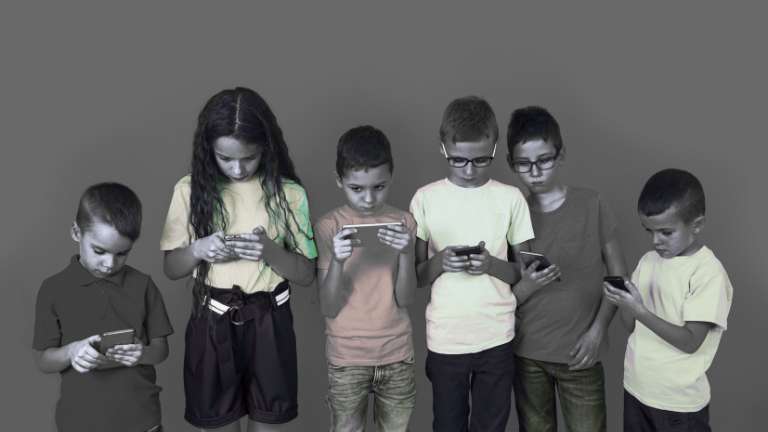
“Mom, just one more video…”
It’s the fifth time you’ve heard that today. Your child is glued to the screen, eyes wide, watching a split-screen mashup of Minecraft parkour and someone slicing soap. No storyline. No real point. Just fast cuts, silly voices, slime, explosions—and your kid can’t. look. away.
Welcome to the world of brain rot YouTube.
These aren’t your average cartoons or learning shows. They’re designed to hijack attention through loud sounds, chaotic visuals, and endless autoplay—often leaving kids dazed, overstimulated, and wanting more.
What Is Brain Rot YouTube, Exactly?
The term “brain rot YouTube” has become a catch-all for low-effort, overstimulating content that offers little to no educational or emotional value. These videos typically feature:
Split-screen video mashups
Repetitive or random animations
Sensory “oddly satisfying” clips
Loud sound effects and fast edits
They’re the digital junk food of childhood. And while they may seem harmless, too much of it can affect kids’ attention, patience, and ability to engage with more meaningful content.
Why Kids Love These Videos
It’s not just random—youTube’s algorithm rewards these videos because they work. Here’s why kids fall for brain rot YouTube:
Constant novelty—something new every few seconds
Easy to follow—no storyline or effort required
Short dopamine hits from visual and sound overload
Seamless autoplay that makes it hard to stop
It gives their brains a “high” that real-world activities can’t always match. That’s why it can be so addictive.
A Personal Note from Mom
I first noticed the effect when my daughter started watching these videos during downtime. At first, it looked like harmless fun. But soon, she didn’t want to pause, didn’t want to do anything else, and got frustrated easily when I said screen time was over.
When I sat and watched with her, I realized… there was nothing truly inappropriate—but there was also nothing truly enriching.
It wasn’t that I wanted her to always learn something—but I did want her to feel something. Brain rot YouTube just left her wired, restless, and bored of everything else.
What Parents Can Do About It
1. Watch One With Your Child
Sit beside them and really watch. What are they seeing? How does it make you feel? Doing this helps you start conversations and set limits with understanding—not judgment.
2. Set Limits Without Shame
Instead of saying “No more silly videos,” try:
“Let’s keep these for 15 minutes, then choose a calmer or fun learning video.”
Treat brain rot content like candy: okay in small amounts, but not every day.
3. Suggest Healthier Alternatives
You don’t need to remove YouTube completely—just offer better choices. Channels like:
SciShow Kids (science)
Bluey (slow-paced, emotional stories)
Art for Kids Hub (drawing tutorials)
still entertain without overstimulation.
4. Reintroduce Slow Joys
To balance screen time, make space for offline joy:
Paint or do crafts
Build blanket forts
Tell silly stories
Bake something together
When kids have fun beyond screens, brain rot YouTube becomes less magnetic.
5. Name What’s Happening
Talk to your child about how their brain feels after watching. Use simple phrases:
“Does your brain feel kind of tired after that?”
“Let’s give our eyes and brain a little break.”
When kids understand why they feel wired or grumpy after screen time, they’re more open to change.
Final Thoughts: You’re Not Alone in This
The truth is, every parent today faces this. YouTube isn’t all bad—and brain rot YouTube isn’t going away anytime soon. But we can help our kids build balance, set boundaries, and rediscover slow joys that fill their hearts, not just their screens.
Because while a few silly videos are fine, our kids deserve more than noise. They deserve content—and moments—that spark curiosity, connection, and calm.
✅ Looking for a balanced screen-time plan?
Explore these Piipple favorites to:
Find offline alternatives that spark creativity
Learn how to set gentle yet effective screen limits
Both offer thoughtful, realistic advice for navigating digital challenges with empathy and calm. 💛
📚 Related Reading from Piipple
Best Offline Games for Kids During Travel – Great ideas for unplugged fun that boosts creativity and focus instead of screen-time for overstimulating videos.
Screen Time Boundaries for Kids – Practical steps and emotional insights on setting healthy limits for digital conten.
